

It’s On All of Us To Stand Against AAPI Hate: Act Safely
It’s On All of Us To Stand Against AAPI Hate, and you can help by choosing a response that puts safety first: create a distraction, ask someone nearby for help, or check in afterward rather than confront the aggressor. Keep the person targeted in control by asking what support they want and getting their permission before sharing any recording, as Right To Be’s bystander guidance advises.
This article walks through ways to intervene without escalating, offer support afterward, understand community and official reporting options, and make workplace support concrete. It also covers how to communicate solidarity without turning someone’s experience into a campaign—and how to choose a next step you can follow through on.
Start with safety, support, and the person targeted
If you witness anti-Asian or anti-Pacific Islander hate, start by assessing safety, choosing a lower-risk way to help, and asking the person targeted what support they want. You do not have to confront the person causing harm to make a difference.
Right To Be’s bystander guidance offers ways to intervene without making confrontation the default: distract, delegate, document, delay, or respond directly when it is safe. The priority is supporting the person experiencing harassment—not winning an argument.
- Check the situation before acting. Consider whether approaching could put you or the person targeted at greater risk.
- Look for an indirect way to help. You might start an unrelated conversation with the person targeted or ask someone nearby, such as a staff member, to assist.
- Check in when it is safe. Ask, “Would you like me to stay with you?” or “What would help right now?” Let their answer guide your next step.
This article addresses anti-Asian and anti-Pacific Islander harassment and discrimination, not only physical attacks. Stop AAPI Hate’s description of reportable acts includes verbal harassment, shunning or avoidance, and discrimination alongside physical harm. An experience does not have to involve violence to deserve attention and support.
Keep the person targeted at the center of your response. Offer help without demanding an explanation, taking over, or assuming you know what they need.
Choose a bystander response that does not escalate
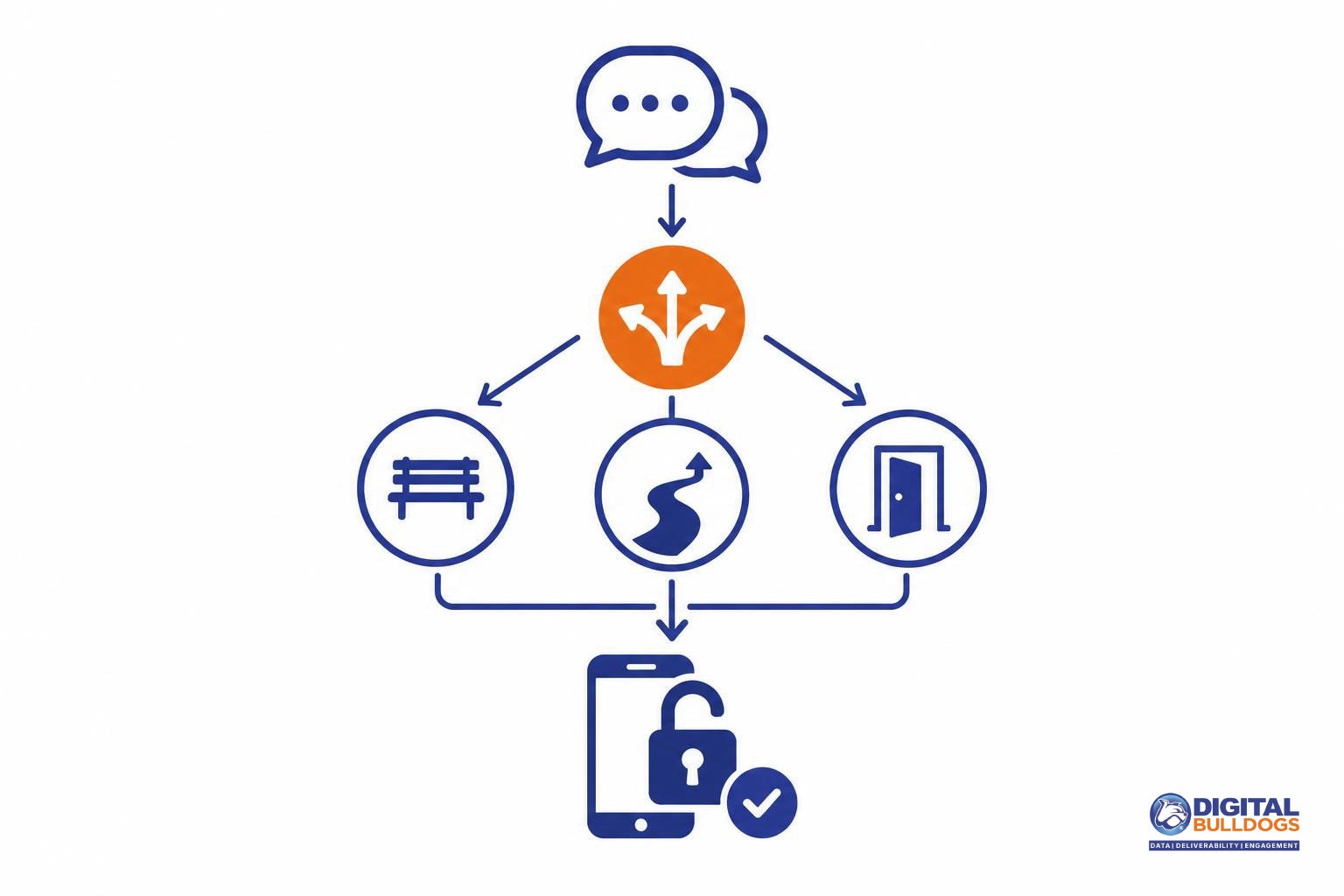
You do not have to confront someone to help. Focus on supporting the person being targeted, and choose an approach that feels safe for you and them. Right To Be’s bystander intervention methods offer several options: Distract, Delegate, Document, Delay, and Direct.
- Distract: Start an unrelated conversation with the person being targeted to interrupt the harassment without engaging the harasser. Hypothetical example: At a bus stop, you could ask the targeted person, “Do you know whether this bus stops near the library?”
- Delegate: Ask someone nearby for a specific kind of help rather than making a general appeal. Hypothetical example: In a store, you could tell a staff member, “Someone is harassing a customer near the entrance. Can you help?”
- Document: If someone is already helping and it is safe to record, documentation may be useful. Do not let filming replace support. Ask the targeted person what they want done with the recording, and never post or share it without their permission.
- Delay: Check in after the harassment ends. Hypothetical example: You could say, “I saw what happened. Would you like me to sit with you or walk with you?” Let their answer guide you.
- Direct: Address the behavior only if you and the targeted person appear physically safe, escalation seems unlikely, and the person appears to want someone to speak up. Keep it brief, such as “That comment is not okay,” then turn your attention to the person targeted. Avoid arguing.
These are options, not obligations. A quiet interruption or a clear request for help can keep the focus where it belongs: on the person experiencing harm.
Help afterward without taking away someone’s choices
Support can still matter after an incident ends. Check in with the person targeted, offer company, and ask whether practical help would be welcome. Following Right To Be’s guidance on delayed support, you might acknowledge what happened and offer to sit with them or accompany them to their destination. Let them decide whether to talk, accept help, or have space.
The following are suggested ways to offer support, not quotations or testimonials:
- “That wasn’t okay. Would you like some company?”
- “Would it help if I walked with you, or would you prefer some space?”
- “Is there something practical I can help with right now?”
Documentation should not replace immediate assistance. Before taking out your phone, assess whether recording is safe and whether someone is already helping the person targeted. If no one is helping, prioritize a safe way to support them rather than capturing footage.
If you make notes or record the incident, ask the person targeted what they want done with that material. You can offer to share it with them without assuming they want to report the incident or make it public. Do not publish, share, or otherwise use a recording without their permission.
A recording can expose someone to attention they did not choose. Keep the focus on their wishes—not on creating a post, proving your involvement, or deciding their next step for them.
Understand community reporting and official reporting
Community reporting and official reporting serve different purposes. Neither replaces emergency assistance, and submitting a community report does not file a police report.
Stop AAPI Hate accepts reports from people targeted by anti-Asian or anti-Pacific Islander hate and from witnesses, including people outside Asian and Pacific Islander communities, through its community reporting center. It collects these accounts for research and advocacy. It does not respond to every report and is not a direct service provider, so do not rely on a submission for immediate help or individual support.
For emergencies and suspected crimes, follow the Justice Department’s reporting instructions. The guidance directs people in immediate danger to call emergency services. For suspected hate crimes, it identifies reporting routes through local law enforcement and the FBI. Making a report does not guarantee an investigation, charges, or a particular outcome.
Not every hate incident involves a crime. DOJ also identifies a Civil Rights Division reporting route for possible civil rights violations; that is distinct from community data collection and emergency response.
Outside an emergency, avoid treating police involvement as the automatic next step for someone else. Ask the person targeted what support they want. You can offer to help them review reporting options or write down what happened without pressuring them to submit a report. Keep their choices central, and be clear about what each reporting route can—and cannot—provide.
Make workplace support concrete
Workplace support starts with taking concerns seriously and giving people a clear way to seek help. Under the EEOC’s national-origin discrimination guidance, discrimination can involve ethnicity, an accent, or the belief that someone comes from a particular ethnic background—even when that belief is wrong.
The guidance also draws an important distinction: offensive conduct is not automatically unlawful harassment. Simple teasing, offhand comments, and isolated incidents that are not very serious generally do not meet the federal standard. Harassment becomes unlawful when it is so frequent or severe that it creates a hostile or offensive work environment, or when it results in an adverse employment decision, such as being fired or demoted. Harassment can come from supervisors, coworkers, clients, or customers. The EEOC is a resource for people who want to understand their rights or explore filing a discrimination charge.
As practical recommendations—not a complete legal compliance checklist—employers can:
- Make reporting routes clear. Tell employees whom they can contact, including an alternative if their concern involves their manager.
- Follow up attentively. Listen without minimizing what happened, explain the next steps, and avoid promising an outcome before reviewing the concern.
- Offer access to qualified advice. Help employees find appropriate guidance about their situation rather than expecting them to decide for themselves whether conduct meets a legal threshold.
A remark does not have to qualify as unlawful harassment for a workplace to address it respectfully. Supporting someone and assessing a legal claim are related responsibilities, but they are not the same task.

Communicate support without turning people into a campaign
Keep the person targeted—not your brand’s visibility—at the center of any message. A public statement can express support, but marketing activity is not a substitute for safety, practical help, or accountability.
Before publishing, use this communication checklist:
- Ask permission before sharing. Get clear permission before using someone’s story or incident footage. Right To Be’s consent guidance says to ask the person targeted what they want done with documentation and never post or use it without their permission. For a business communication, explain where the material would appear and let the person decline without pressure.
- Use specific language. Name the behavior you oppose, such as anti-Asian harassment, rather than relying on a vague message about kindness. Describe only what you know; do not speculate about someone’s motives or background.
- Invite participation, not disclosure. Offer ways to contribute privately or opt out. Do not ask AAPI employees or customers to recount painful experiences, represent an entire community, or publicly endorse your statement.
- Do not infer identity. A name is not permission to assign someone an ethnicity, cultural affiliation, or personal experience with hate.
For a separate example of respectful cultural communication, see our discussion of approaching cultural observances with remembrance and respect. Juneteenth and AAPI experiences involve distinct communities and histories; they should not be treated as interchangeable.
If audience outreach is already part of your work, our explainer on how custom audience planning works provides background—not a recommendation to build ethnicity-based targeting or monetize incident reports. Keep support separate from audience acquisition.
Choose a next step you can follow through on
You do not have to do everything at once. Choose one action you can realistically carry out, with safety and the targeted person’s wishes guiding your response.
- Practice a bystander response. Return to the intervention section and choose an approach you could use without escalating the situation. For example, rehearse asking someone nearby for help or starting a neutral conversation to create a distraction—both approaches described in Right To Be’s bystander intervention guidance.
- Review your workplace’s reporting routes. Revisit the workplace section, find the relevant policy, and identify whom you can contact with a concern. Knowing the route ahead of time gives you a concrete place to start.
- Learn how community reporting works. Return to the reporting section so you understand the difference between contributing to community documentation and reporting a suspected crime.
After an incident, ask what support the person wants rather than deciding for them. Your role is to support their safety and choices—not to turn their experience into a public statement or a brand opportunity.
A separate technical note for organizations
If your organization distributes opt-in community updates, Digital Bulldogs’ email delivery services and the Gmail and Yahoo bulk sender requirements checklist are technical resources for that work. For help specifically with email delivery or outreach infrastructure, you can Book a free consult. Keep that technical work separate from incident support: community safety and the person targeted remain the priority.
Keep researching on Digital Bulldogs
Frequently asked questions
How can I help someone facing anti-Asian harassment without confronting the harasser?
You can focus on the person being targeted rather than the harasser. Start an unrelated conversation, ask for directions, or seek help from a nearby staff member or another bystander. These approaches—distraction and delegation—are part of Right To Be’s bystander intervention guidance. Consider your safety and theirs before acting. If intervening in the moment feels unsafe, checking in afterward is another way to offer support.
Should I post a recording of an AAPI hate incident online?
Do not post a recording without the targeted person’s permission. Right To Be’s documentation guidance emphasizes that recording should support the person experiencing harassment, not take control away from them. Before filming, check whether someone is already helping and whether recording is safe. Afterward, ask the person what they want done with the footage. Do not assume that permission to record also means permission to publish or share it.
Can I report an incident to Stop AAPI Hate if I only witnessed it?
Yes. Stop AAPI Hate accepts reports from witnesses, as well as people who experienced anti-Asian or anti-Pacific Islander hate directly. Its reporting center gathers accounts of hate acts, including experiences that may not be crimes, to inform research and advocacy. When describing what happened, distinguish what you personally saw or heard from anything you learned later, and avoid guessing about details you do not know.
Is reporting to Stop AAPI Hate the same as filing a police report?
No. Stop AAPI Hate collects reports for research and advocacy; it is not a law enforcement reporting channel or a direct-service provider. Reporting there does not file a police report. The Justice Department’s hate-crime reporting guidance explains how to report suspected crimes to local law enforcement and the FBI. If someone faces immediate danger, seek emergency assistance first. A hate incident and a hate crime are not interchangeable terms.
When can comments about someone’s ethnicity or accent become unlawful workplace harassment?
Comments about ethnicity, accent, or perceived national origin can become unlawful harassment when they are so severe or frequent that they create a hostile or offensive work environment, according to the EEOC’s national-origin discrimination guidance. Harassers can include supervisors, coworkers, or customers. Not every offensive remark meets the legal threshold, but an employer can still address inappropriate conduct before it reaches that point.
Sources
- The 5Ds of Bystander Intervention · Right To Be
- Report Hate · Stop AAPI Hate
- Report a Hate Crime · U.S. Department of Justice · 2026-07-29
- National Origin Discrimination · U.S. Equal Employment Opportunity Commission
